Six sectors of opportunity in 2020
Agriculture and food processing
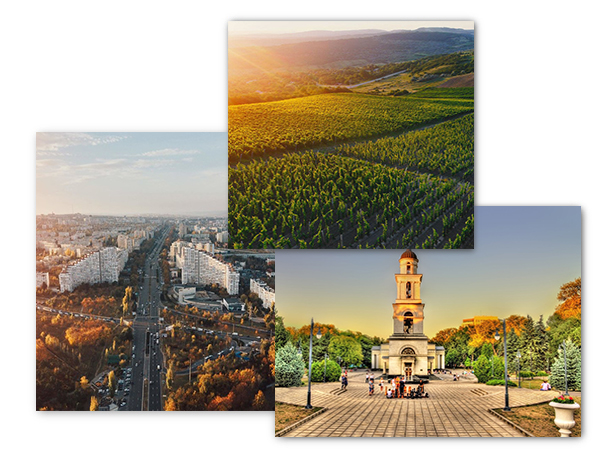
With its favorable climate, biological diversity, sectoral subsidy fund, free trade agreements (FTAs) with 43 countries, experienced workforce and rich agricultural lands that take up 75 percent of the country, it is no surprise that agriculture and food processing represent over 16 percent of Moldova’s gross domestic product (GDP) and about 45 percent of its total exports, with the country’s high-quality fruit, vegetable, wines and spirits being enjoyed by people in more than 70 countries. Today, investment opportunities exist in areas like orchards, walnuts, sugar, oleaginous plants and organic farming, as well as in the storage, transportation and processing of produce. In terms of livestock, existing infrastructure allows investors to start operating farms quickly, and the cattle feed, meat production and processing industries are under exploited. International operators in the sector include Germany’s Südzucker Group, which produces 56 percent of Moldova’s sugar, and Denmark’s Regional Meat that opened a modern pig farm in 2015 with capacity for 100,000 piglets a year.

The automotive industry
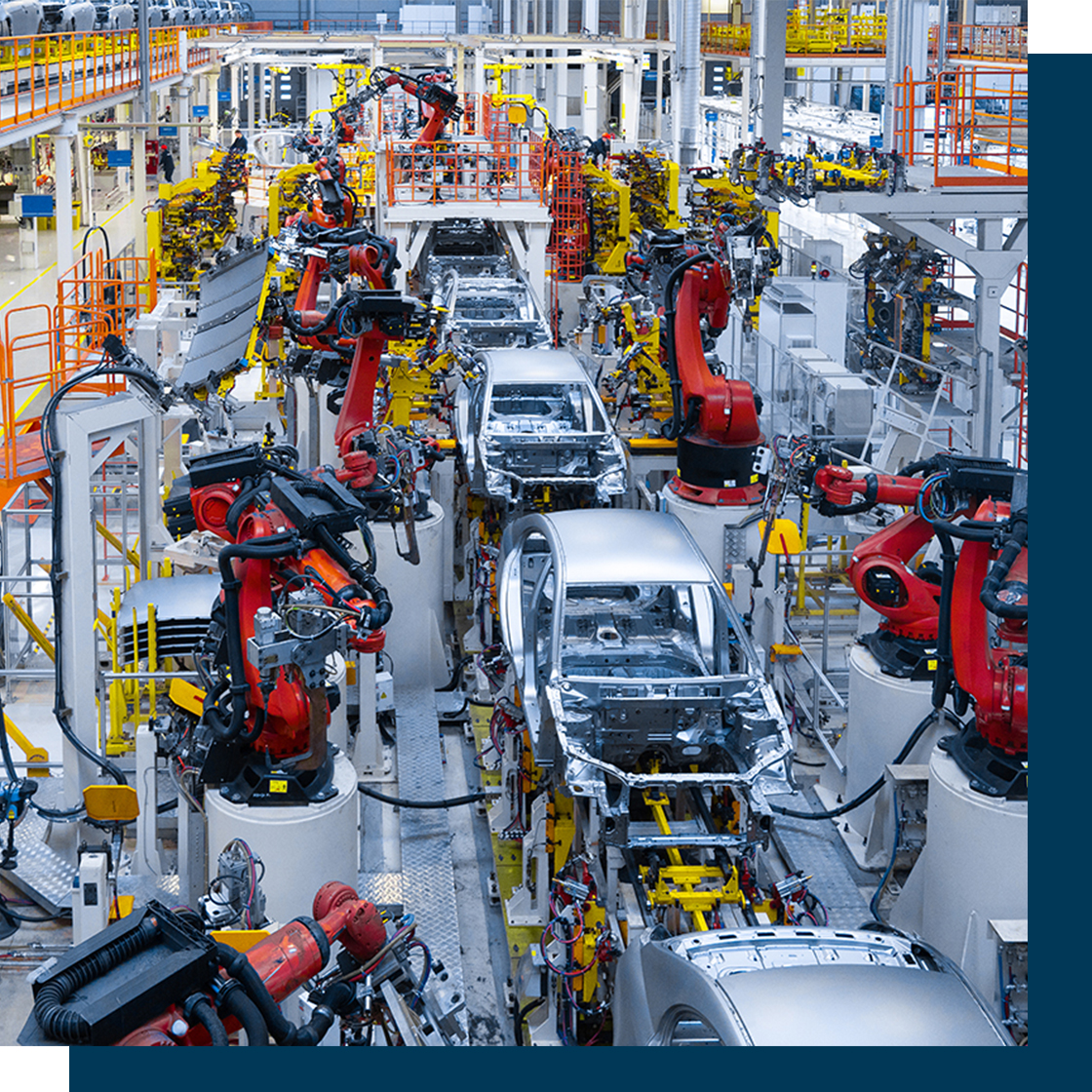
Over 19,000 people are currently employed in Moldova’s modern and growing automotive sector that contributes about 15 percent of GDP and 21 percent of exports. Large investors in the sector, which include Lear Corporation, Dräxlmaier, Sumitomo Electric Bordnetze and Fujikura Automotive, are mainly based in Moldova’s free economic zones, with production concentrated on cables, wiring harnesses for cars, seat and car covers, steering wheels, injection molding, metal processing, electronics, electronic components and systems. Having specialized in the sector for decades, the republic offers highly qualified and trained personnel, labor-cost advantages, favorable tax and social security regimes and close trade relations that make production competitive.
Electronics
Moldova has a strong reputation for its skills in cutting-edge electronics, which are backed up by excellent technical education institutions and a dual vocational education and training system that enables the country to respond to the changing demands of businesses by producing the skilled workers they require today. Other benefits that have attracted companies, such as Germany’s innovation and technology leader Steinel Electronic, include a single sales tax of 7 percent for many of the sector’s products. Among the republic’s specialisms are automation and information science, biomedical engineering, robotics and mechatronics, microelectronics and nanotechnologies applied electronics, telecommunication technologies and systems, computers and networks.


ICT and business process outsourcing (BPO)
One of the most dynamic parts of the Moldovan economy, the development and expansion of ICT is a priority for the government. About 1,100 companies operate in the sector, which contributes nearly 12 percent of GDP and employs around 14,000 people. The many things that have drawn international IT players to the republic include its low cost of doing business, location, IT parks, extensive and low-cost broadband internet network, and skills, with nearly around 2,000 graduates a year in IT subjects. The government is currently pushing e-government initiatives and has recently launched national strategies for developing the sector and the country as an information society. It has also introduced virtual IT park legislation that limits sales taxes to 7 percent. These factors should further catalyse larger investments and entrepreneurs like Mixbook, a digital startup founded at the University of California-Berkeley, whose main development office is in Moldova. BPO is an expanding sub-sector with participants such as Orange, which provides services to European countries including the U.K. These businesses are particularly attracted by the country’s time zone compatibility with most of Europe and the Commonwealth of Independent States (CIS), proximity to all main European hubs, multilingual population and liberal visa regime.
Textile, apparel, footwear and leather goods (TAFL)
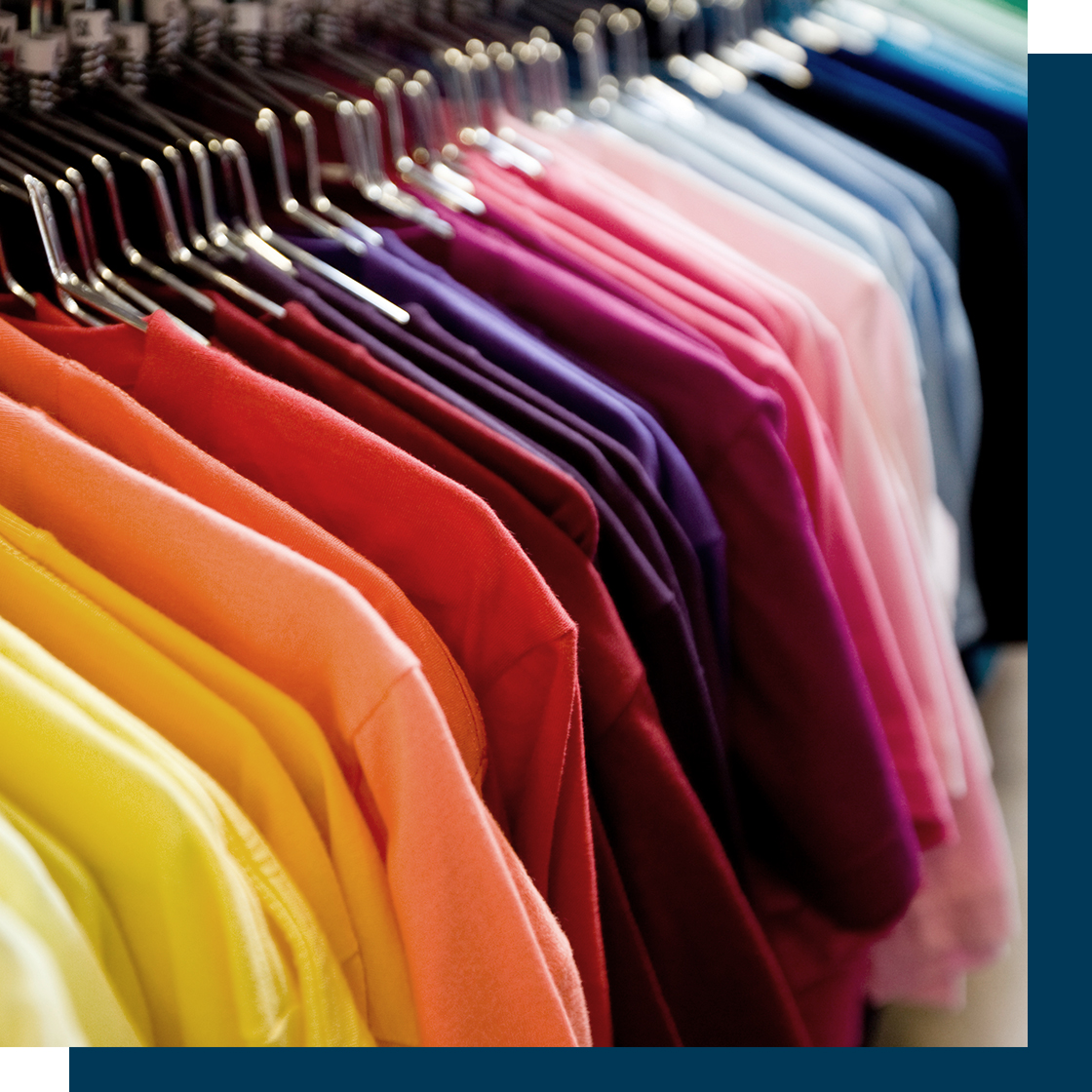
A long-standing Moldovan industry, the vibrant TAFL manufacturing sector contains around 450 companies making high-quality goods for brands such as Versace, Armani, Primark, Prada, Nike, Dolce & Gabbana and Moncler. The sector has seen significant growth recently, with its exports rising by 10 percent in 2018 to provide nearly 22 percent of the country’s total export volume. Production in Moldava is well suited to today’s industry trends, including demands for flexible fast fashion, added value and ethical, sustainable and organic clothing. Due to its location, most of the sector’s exports go to the EU, aided by one of Moldova’s many comprehensive FTAs, but there is increasing demand from the ever-more wealthy CIS countries. Some of the country’s investment incentives that are particularly beneficial to TAFL businesses are a job creation subsidy, exemption from VAT and customs duties on raw materials and supplied components, and the ability to import materials from third parties, process them and sell them as Moldovan goods.
Renewable energy
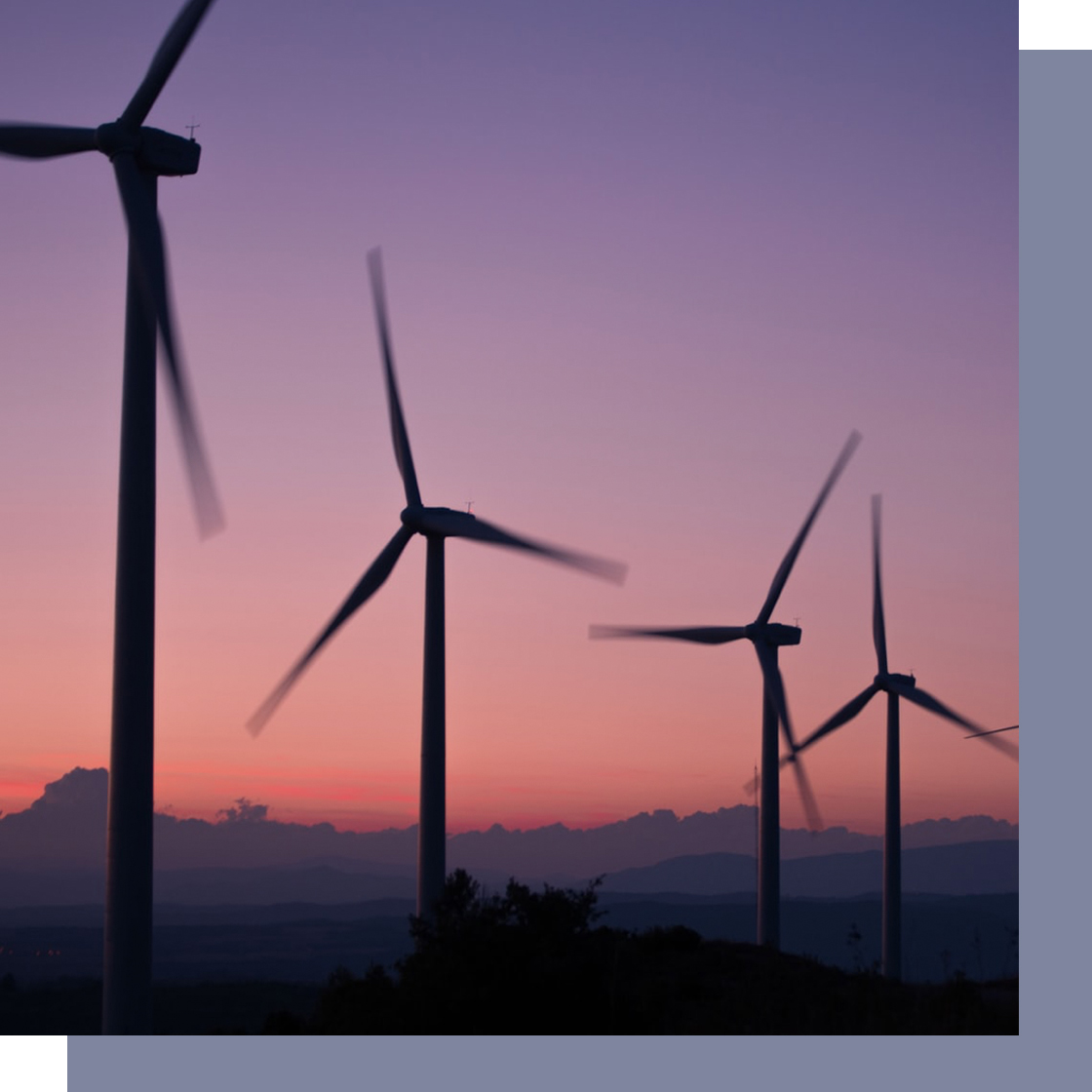
Moldova has huge potential for the generation of renewable energy that it needs to tap. According to the International Renewable Energy Agency, although 17 percent of the country’s power consumption was from renewable sources at the beginning of 2019, over two-thirds of its energy supply came from less-green imported fuels. Throughout the country are sites that are suitable for harnessing Moldova’s abundant wind energy, the republic offers around 2,000 hours of sun a year and there is also potential in biogas, biomass, hydropower and geothermal energies. To attract investors to the sector, the government has implemented fiscal incentives for investments in renewable electricity generation, feed-in tariffs for smaller projects and transparent competitive bidding procedures for bigger ones, and power-purchasing guarantees to protect against commercial risks.
Special Feature for Newsweek
Country Reports’ special feature on MOLDOVA will provide exclusive insights, analysis and fresh perspectives on these topics, based on our team’s exclusive exchanges with top political and business leaders.
Distributed exclusively on Newsweek.com reaching a vast readership of 95 million, our special feature will be promoted both through a banner placed on Newsweek’s homepage for a week, and a full-page article inserted in Newsweek’s international print edition ensuring large visibility and awareness for the reader.
The feature on MOLDOVA will also be hosted in the Newsweek library (www.newsweek.com/newsweek-country-reports) for two full years.