
25 Jun Moldovan wines are named the best in Eastern Europe
The country’s winegrowers have married their long traditions to modern global trends with astonishing results
The wonderful, wide-ranging wines of Moldova are receiving increasing acclaim from worldwide connoisseurs. In 2019, they won more that 800 medals in international competitions, 300 of them gold, while at April’s prestigious Mundus Vini Spring Tasting 2020 in Germany, the country walked away with 72 medals, including 35 golds and two of only 43 grand gold medals awarded at the event. That tally puts the republic in pole position within Eastern Europe and seventh globally.
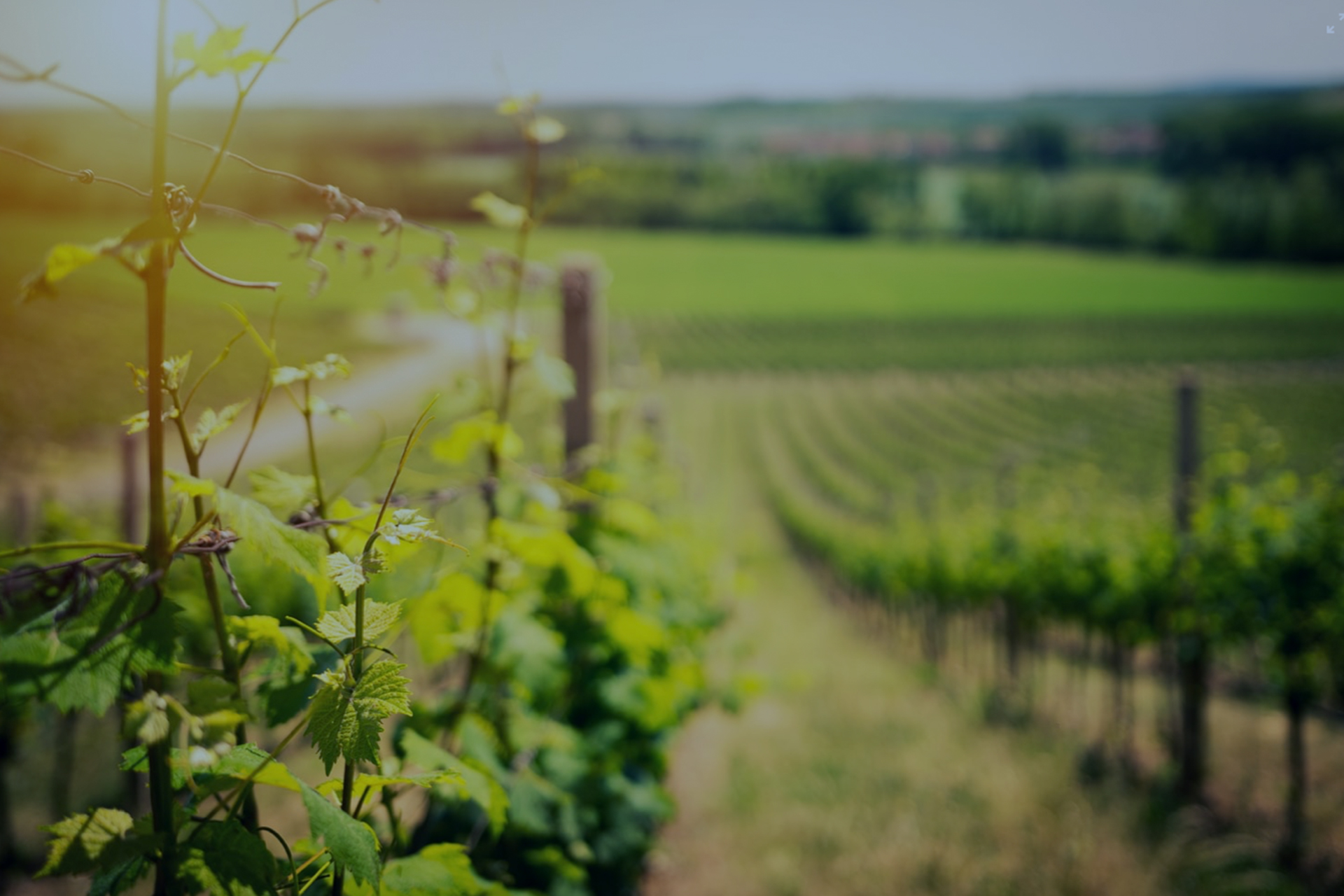
With its perfect wine-growing climate, fertile soils, rolling hills, plateaus crossed by streams and a location on the same latitude as regions like Burgundy and Piedmont, wine production has long been a cornerstone of Moldova’s economy. The first vines are thought to have been planted in the country over 7,000 years ago and, today, it has the highest density of vineyards in the world, with 112,000 hectares of vines being tended by talented winemakers. According to Moldova’s National Office for Vine and Wine, viticulture accounts for 3.2 percent of the republic’s gross domestic product, over 250,000 people are employed at 140 Moldovan wine companies and the sector represents 7.5 percent of Moldova’s total exports. In 2019, 80 percent of the sector’s produce was enjoyed by wine lovers in 70 countries — that’s an incredible 157 million liters.
The rising recognition of Moldova as one of the world’s best wine producers comes from a decision taken in 2014 to reform the sector, to focus on quality and to reach out to western markets as well as traditional eastern customers. A number of initiatives were implemented: local wine legislation was changed to European Union standards, areas of protected geographical indication (PGI) were created to guarantee regional origin and quality, wine laboratories and traceability systems were overhauled, schemes were put in place to mentor Moldova’s flourishing small producers and promotion of the sectoral brand “Wine of Moldova” started. In recent years, €330 million has been invested in new vines, production equipment and technologies alone, but there are still opportunities for investors in the ever-growing sector. Example areas include technologies to advance quality and safety standards, modernizing equipment, laboratories and vineyard replanting.
Already, two-thirds of Moldovan wineries produce vintages that meet the standards of its three PGI regions: Codru in the center of the country has an eastern-continental climate and is most known for its white wines; Stefan Voda in the south east has a moderate-continental climate influenced by the Black Sea and is famous for its reds; and Valul liu Traian in the south has a Mediterranean climate and a reputation built on red wines, including sweet ones, and full-bodied whites.
Explore a world of high-quality wines
Over 50 grape varieties are grown in the country, including European leaders such as Sauvignon Blanc, Chardonnay, Cabernet Sauvignon, Merlot and Pinot Noir. However, 10 percent of vineyards harvest unique indigenous varieties—like Feteasca Neagra, Rara Neagra, Alb de Onitcani and Feteasca Alba—while others are dedicated to strains from Moldova’s regional neighbors, such as Saperavi. This grape was responsible for one of the country’s grand golds at this year’s Mundus Vini: Gitana Winery’s 2017 Saperavi from Valul liu Traian, a perfectly structured tannic red that is full of black fruits and hints of leather.
Not all of Moldova’s wines are single variety, of course, and the country’s most famous wine is probably Codru, a superior blend of Cabernet Sauvignon and Merlot. Moldova also has a long tradition in producing naturally fermented sparkling wines, botrytized sweet wines, the grape brandy Divin and exceptional icewines. Another specialism is fortified wines, one of which won the country’s other grand gold in Germany: Ialoveni Armonios Reserva 1994, made in Codru by a winery established in 1857, this is a nutty, sherry-like blend of Sauvignon Blanc, Riesling and Rkatsiteli.
To help people explore its wines, Moldova has established winery routes through each of its PGI regions. These include some of the country’s legendary giant wine cellars. The biggest, Milestii Mici, has made the Guinness Book of Records for having the world’s largest number of wine bottles underground—1.5 million bottles are stored in its 200 kilometers of galleries. As a result of fascinating locations like this, as well as its ancient wine culture, rural charm, incredible food and hospitality, wine travel specialists Winerist have named Moldova one of the top global wine tourism destinations for 2020. Perhaps the best time for enthusiasts to visit would be October, when the country has a national public holiday dedicated to wine and most of its wineries head to the central square in the capital Chisinau to share their products and celebrate the fruits of Moldova’s vines.